






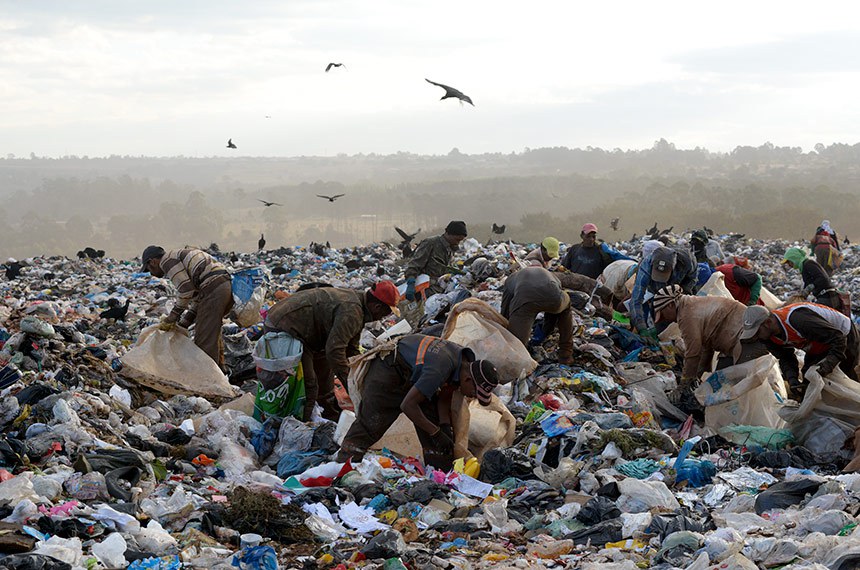
A partir desta sexta-feira, 2 de agosto, o Brasil não deveria mais ter lixões. É o que determina a Política Nacional de Resíduos Sólidos (Lei 12.305, de 2010) ao estabelecer prazos para o cumprimento da norma, de acordo com o tamanho dos municípios. Em 2024, ano que marca o limite de tempo para as prefeituras realizarem as adaptações necessárias, o país ainda mantém milhares desses depósitos de lixo a céu aberto, sem controle ambiental ou sanitário.
Ver essa foto no Instagram
De acordo com a regra original, os rejeitos — lixo que não pode ser reaproveitado — deveriam ter destinação final ambientalmente adequada até o último dia de 2014. Em 2015, o prazo geral foi prorrogado para 2020. No entanto, para os municípios que possuem uma política local sobre o tema e serviços saneamento básico com as contas equilibradas, a data-limite era maior, entre 2021 e 2024 — neste último ano, restavam os municípios que possuíam menos de 50 mil habitantes em 2010.
SOURCES | OTHER LINKS


2 Comments
certainly like your web site but you have to check the spelling on quite a few of your posts. Several of them are rife with spelling problems and I find it very bothersome to tell the truth nevertheless I will certainly come back again.
Hello There. I found your blog the use of msn. That is a very neatly written article. I will be sure to bookmark it and return to read extra of your helpful information. Thank you for the post. I will certainly comeback.